

Science & Healing

Understanding Reiki Through a Scientific Lens

Reiki is often misunderstood as something mystical or belief-based. In reality, Reiki can be understood through the lens of physiology, nervous system regulation, and mind–body connection.

At its core, Reiki is a deeply relaxing practice. When the body enters states of calm and safety, the parasympathetic nervous system is activated — often referred to as the rest and digest state. Research across neuroscience and psychophysiology shows that in these states, the body naturally supports healing, emotional processing, immune functioning, and integration.
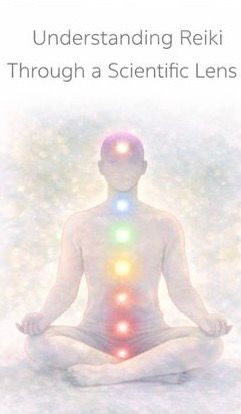

Reiki Science
"From a scientific standpoint, Reiki does not need to be explained as 'energy' alone. It can also be understood as a regulated nervous system experience, where the body is allowed to shift out of chronic survival mode."

What Happens During a Reiki Session?

Reiki sessions at THE WHOLE BEING SPACE often involve:

  • Gentle stillness
  • Focused attention
  • Slowed breathing
  • A sense of being held in a safe, non-intrusive presence

The Physiological Benefits

These elements are known to support the following biological shifts:

  • Reduce Cortisol: Lowering the primary stress hormone in the body.
  • Improve Heart Rate Variability: A key indicator of nervous system resilience.
  • Support Vagal Tone: Strengthening the body's ability to switch to a relaxed state.
  • Promote Emotional Regulation: Creating a foundation for processing feelings calmly.

Disclaimer: Reiki does not replace medical or psychological care — but it can support the body’s innate capacity to heal when safety is restored.

Author
Shared from THE WHOLE BEING SPACE

A community-centred healing space for children, teens, and adults.